

Cindy Blobaum | Environmental Education Program Manager
Good morning kindergarten friends, and welcome to The Nature Place. We are glad you’re here to learn about Wisconsin Wildlife! Raise your hand if you’d like to name an animal you think we might see and learn about today.
Alligators? No, Wisconsin is not home to any wild alligators.
Sharks? Sharks live in salt water, not the fresh water in our marsh.
Tigers? Pythons? Peacocks?
This reflects the usual start to one of our most popular nature education day programs for young learners. It is similar to what I have experienced everywhere I have worked. Young children are more familiar with exotic animals and habitats they have viewed on television or the internet than they are with what lives in their immediate vicinity. Author Hanna Bjørgass shares some insight in Secret Life of the City: How Nature Thrives in the Urban Wild.
“Why had I never looked at crows and mallards with the same enthusiasm that I had studied penguins? Perhaps our idea of spectacular nature, untouched by human hands, has stood in the way. An expectation that nature has value because it is pure and magnificent and distinct from humans.” (p. 220) Later she continues: “Robert Pyle named the gulf between humans and nature that opens up in the city: extinction of experience. We feel so little affiliation with nature’s species and processes that we’re incapable of seeing that what’s actually there has value” (p. 222).
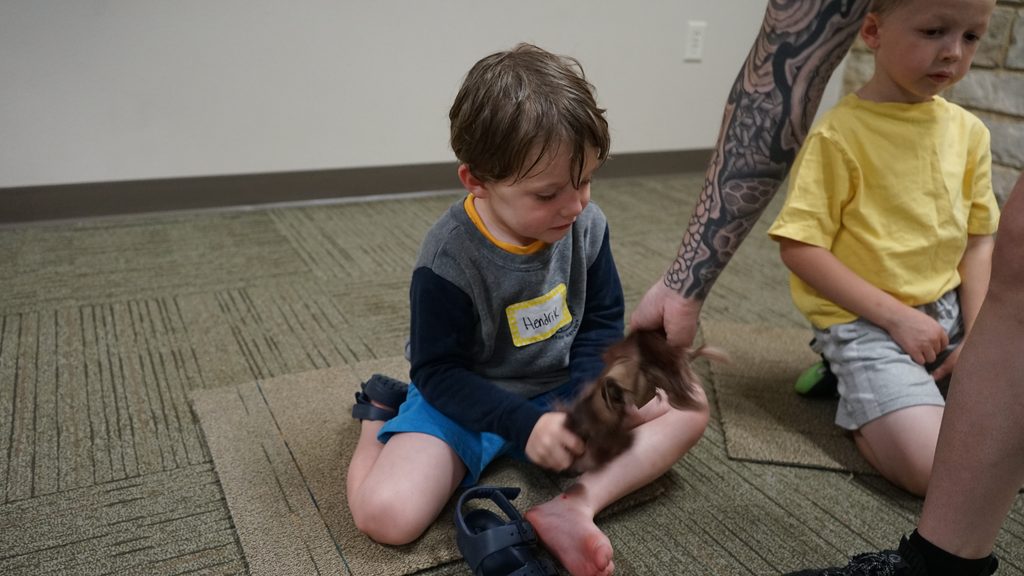
Negating that last sentence is one of my most vehement goals and projects. People are a part of nature, not apart from nature. We live, we breathe, we eat, we grow, we die. All of us. So during field trips, homeschool science sessions, Early Explorers play group, and summer camp sessions, we encourage learners of all ages to take a closer look at EVERYTHING around them, ask questions, and care. This can be as easy as giving kindergarten field trip students the opportunity to touch the fur of various native animals and then ask, which is softer – squirrel fur or deer fur?
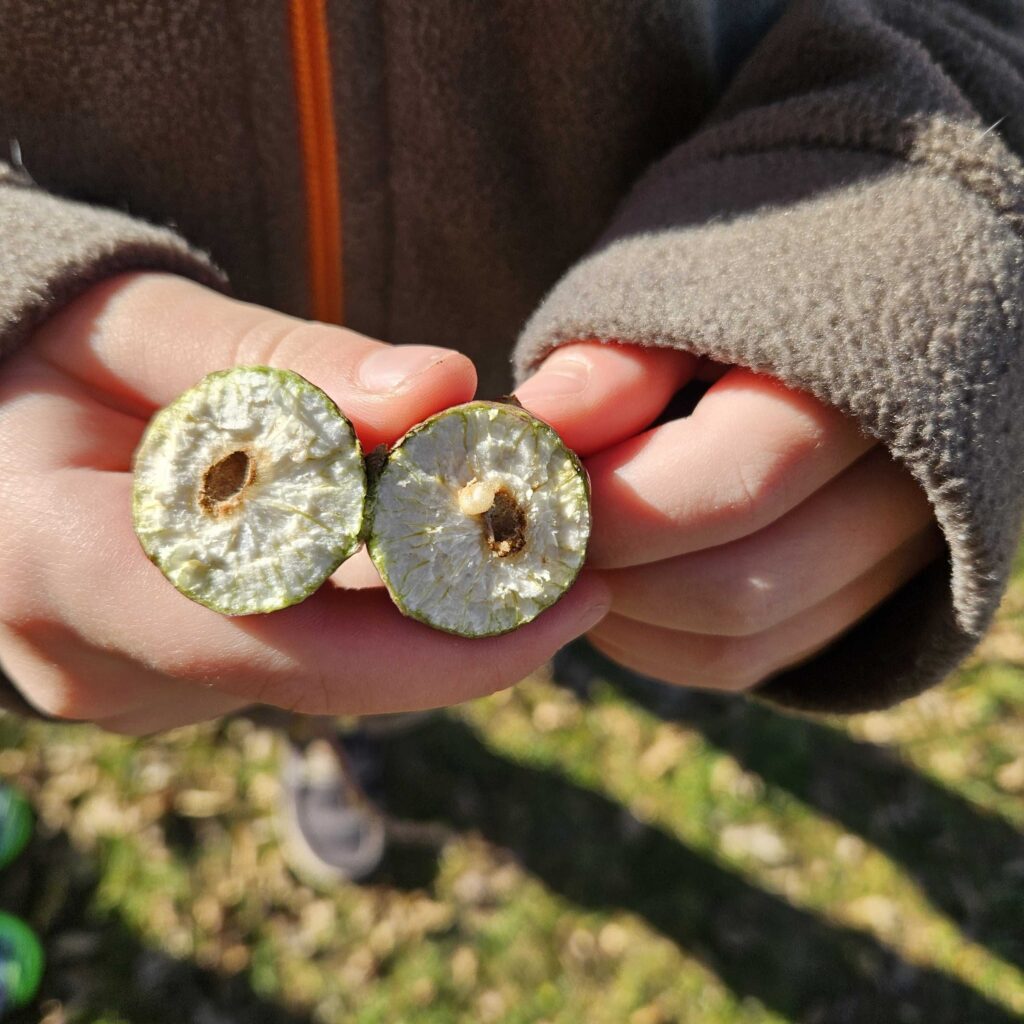
Or having sixth grade students do a simple dissection of the nearly ubiquitous hackberry nipple galls (i.e., bug bumps – temporary safe spots for tiny insects) and then sending them on a search for other types of galls.
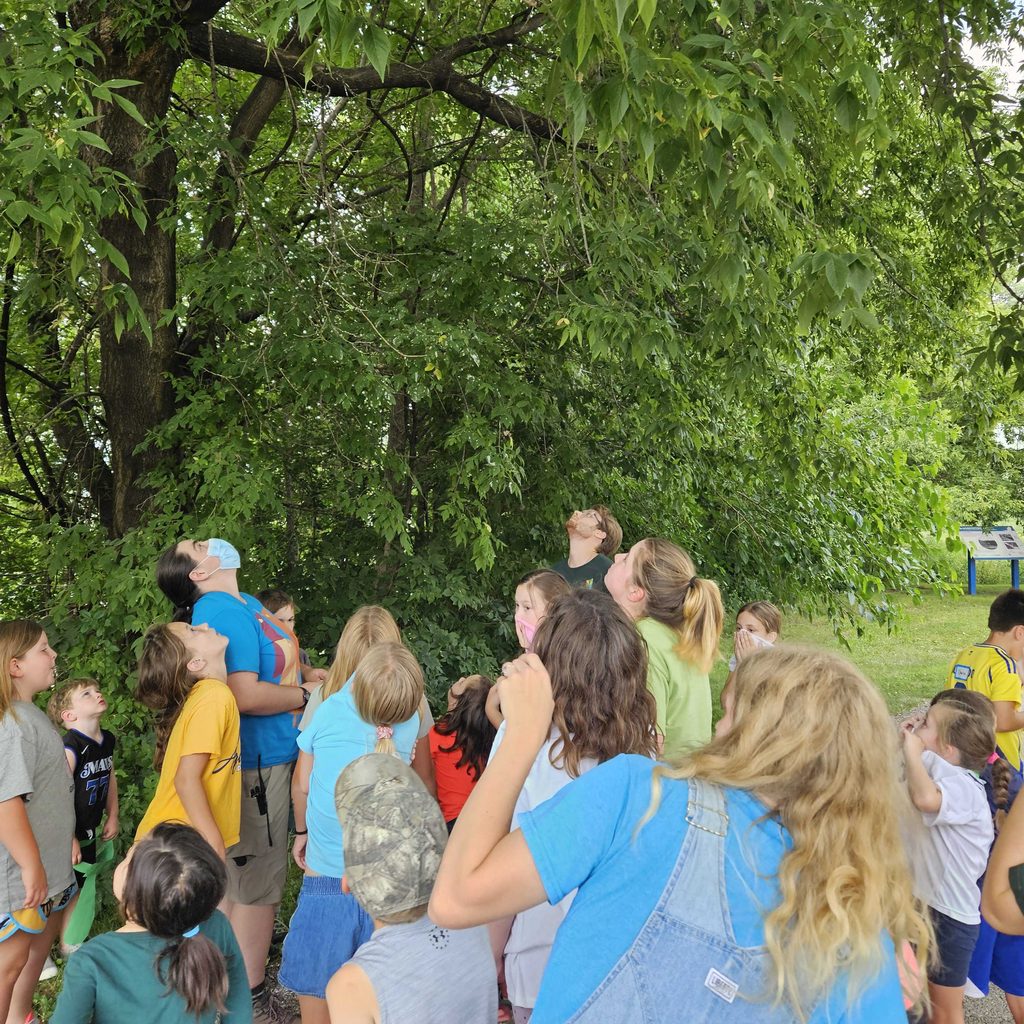
Summer day campers of all ages love tasting edible oxalis (wood sorrel) that can be found in lawns and gardens, then reporting back where they found it in their neighborhoods. Once we discovered the flimsy green heron nest in a tree just outside The Nature Place, it became a daily pilgrimage to check on the well-being of the nestlings, accompanied by the frequent remark – “I never knew they were here!”
We love it when young learners, their chaperones, teachers, and parents tell us as they leave – “Thank you so much. I never knew/noticed/thought about that before. It is truly amazing what is around us.”
And we reply – “Keep looking, caring, and come on back. We’d love to see you again.”