

Sophia Sperduto | AmeriCorps Member
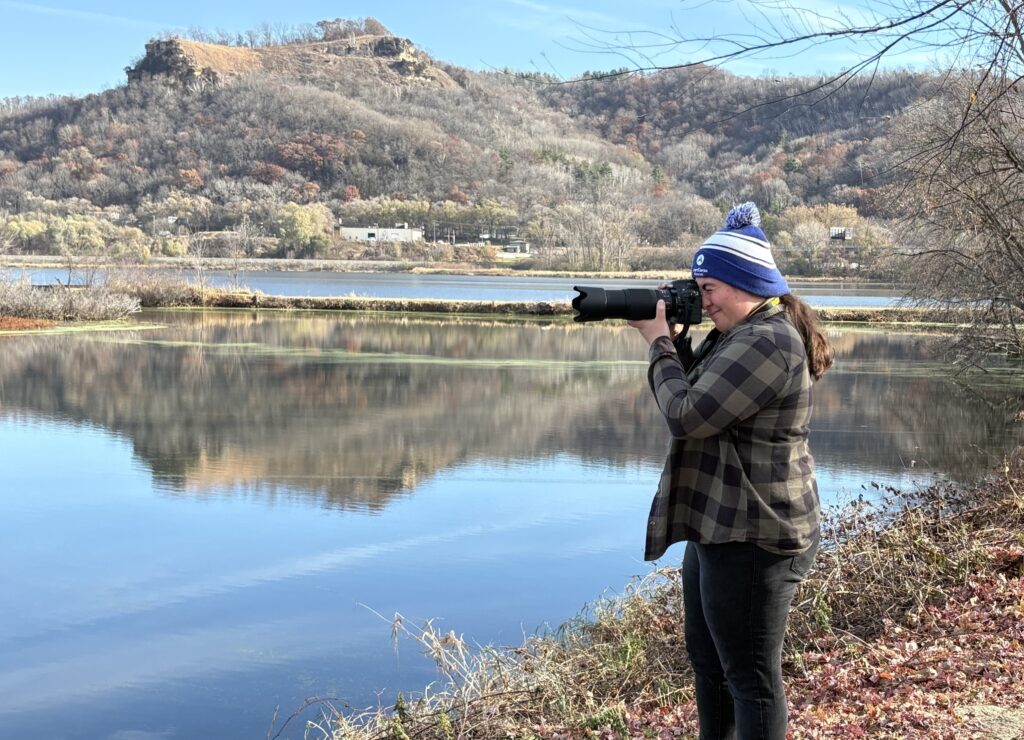
Birdwatching, or birding, as a hobby, has been dramatically increasing in popularity. Websites like eBird and iNaturalist make it easier than ever to share sightings and photos of the plants and animals all around us. And I love it! Birds are everywhere. They vary in shape, color, and behavior, and there’s always the chance to see something new or unexpected. Growing up, I was always interested in birds, but I only started birdwatching seriously within the last six years. However, I got my first camera and started in photography much earlier than that. Photography allowed me to capture personal moments, natural phenomena, and beautiful scenery around me. So, naturally, once I started paying more attention to the birds I was seeing, I fell in love with photographing them too.
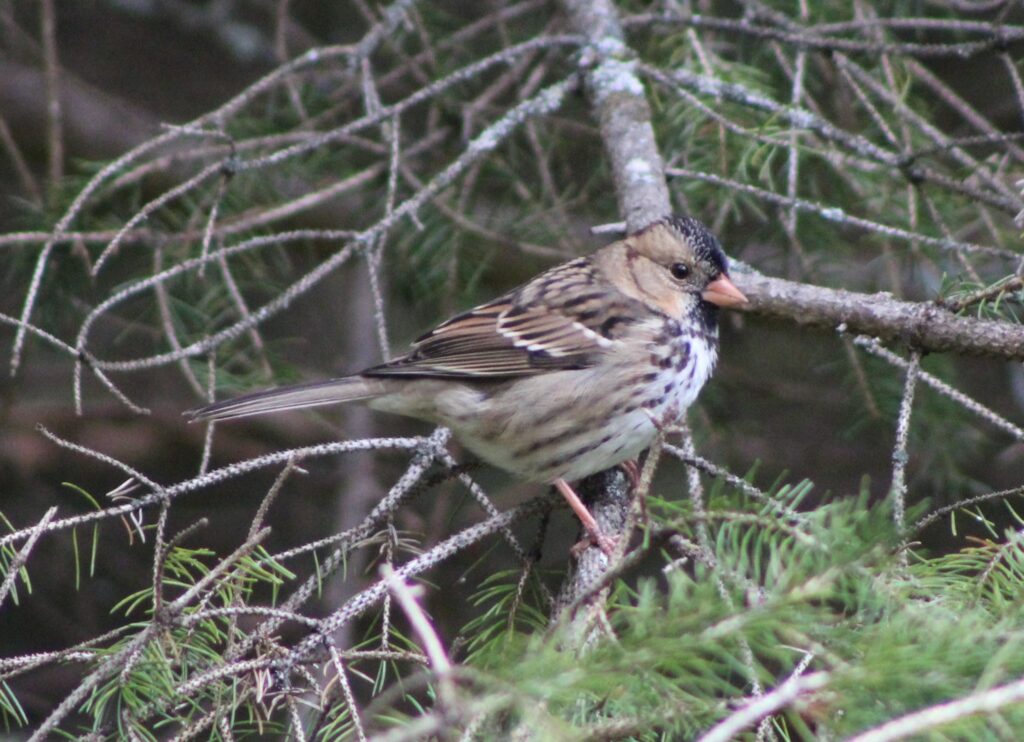
When I first started photographing birds, I was just happy if I could get an identifiable photo of the bird at all. But occasionally, perfect photo opportunities would present themselves. The more I went birdwatching, the better I became at seeking out those opportunities. After reflecting on my journey with bird photography, I’ve compiled a list of skills I’ve learned, and tips for others who are looking to start photographing birds.
The Art of Discovering Birds
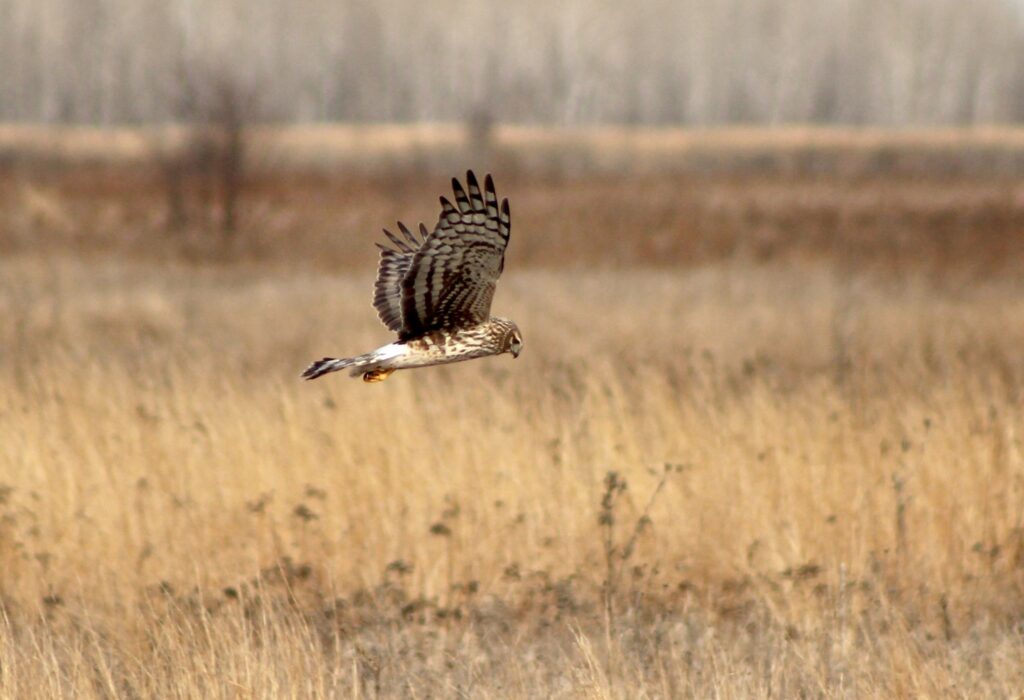
Luckly, birds can be found everywhere, from the remote wilderness to the most urban of cities. But more diverse species can be found in natural environments. Wetlands, forests, lakes, grasslands, and other natural areas all host different communities of birds throughout the year. Before taking the time to set up a dedicated photography session, I scout out new sites to see what birds are present at that time of year. Some birds live in very specific habitats, while others are less common but can appear in different areas, I frequently use eBird to scout out new locations I want to visit, and to see what birds other people have sighted recently.
It’s no secret that getting closer to the birds is important to getting crisp, clear photos. Birdfeeders and urban parks are great places to see birds up close, as those birds are more used to human presence, and are less likely to disappear upon your approach. But another strategy is hunkering down and waiting for the birds to come to you. Plenty of parks or natural areas offer wildlife viewing blinds, or the opportunity to set up your own. Check online to find wildlife viewing blinds near you.

Get familiar with the usual species, and you’ll recognize when something out of the ordinary shows up. May and October are peak bird migration here in Wisconsin, so be sure to get out to look for those unusual birds passing through. If you are new to photography, don’t skip out on practicing your skills on the more abundant species.
Knowing local bird behavior can help you predict where and when to look for birds. Smaller birds like warblers and sparrows are often more active earlier in the morning and may be harder to spot by midday. Many birds migrate and won’t be seen for several months out of the year. Get ready to take pictures during spring migration, as that is when many songbirds are at their most colorful and are advertising their presence through song.
Gearing Up for Bird Photography
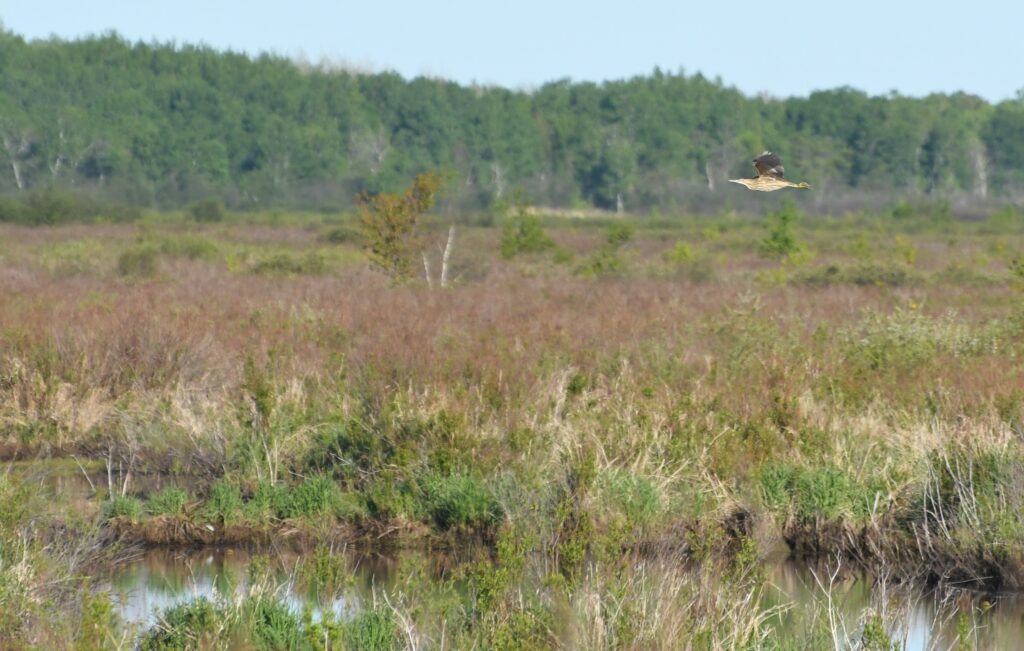
Photography is a very technical hobby. Knowing the basics of your camera and its settings will help you take much better pictures. I recently upgraded to a Nikon D500, but any decent DSLR is a good place to start. My lens has a maximum focal distance of 300mm, but higher numbers make the birds appear larger in the image frame. Longer lenses help with wildlife photography because it puts less stress on the birds, and lets you get close-ups without disturbing them. In instances where the birds are too far away, backlit, or in a spot where I can’t get close, detailed shots, I practice wildlife landscapes and photograph the birds within the context of their environment.
As a beginner photographer with my first DSLR, I primarily used the “action” or “auto” settings, which didn’t always result in the photo I was hoping for. I have since discovered the freedom and personalization that comes with shooting photos using the manual setting. Using manual requires a basic understanding of aperture, shutter speed, ISO, among others, but it gives me the greatest control over my photos. Since I’ve been practicing adjusting my settings while photographing common birds, I know I’m ready for when that rare vagrant or stunning warbler shows up.
The Importance of Timing
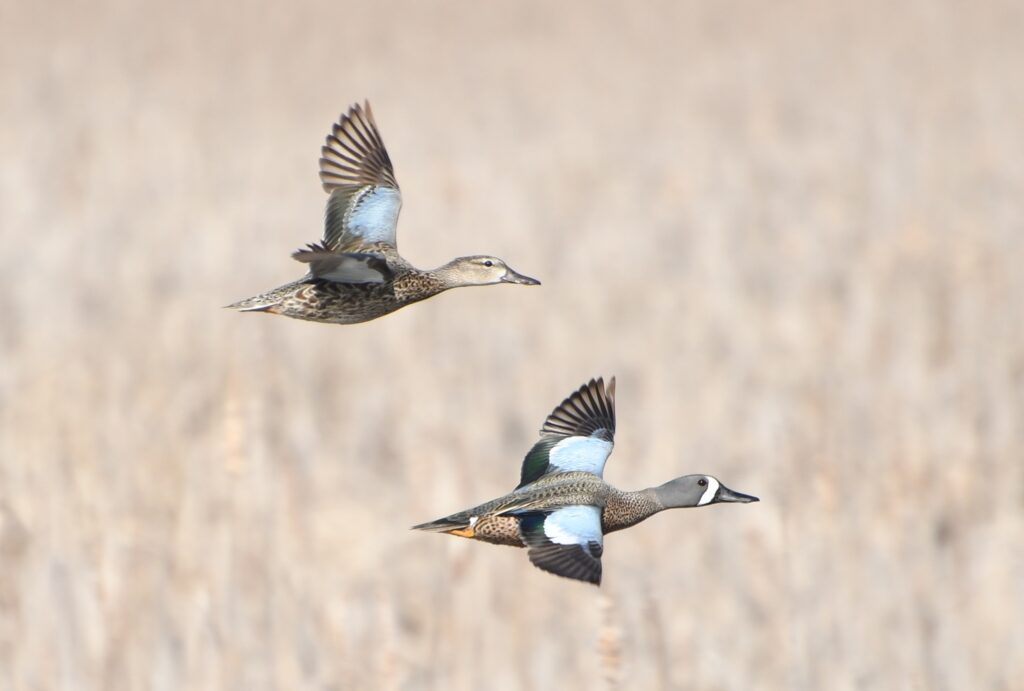
I carry my camera almost every time I go outside, so I’m always ready for spontaneous photo opportunities. But because I’m usually not planning a full photography session, I often miss birds in flight or the quick-moving warblers that only perch briefly in the sunlight. Every so often, I schedule dedicated sessions, choosing the time and place based on the specific shots I hope to capture
Lighting is critical to a quality photograph. Bright sun brings out the best colors, but the strong shadows can be hard to work with. Cloudy days give the most consistent lighting, but can also lead to washed out colors. Sunrise and sunset are the best times to take moody, colorful shots, but the golden lighting doesn’t last long. Whenever possible, I shoot with the sun behind me; otherwise, the subject appears dark or the colors look washed out.
Since wild animals cannot be commanded to sit still or pose for the photo, photographing birds requires patience and a good amount of luck. Take for instance my first and second encounter with Upland Sandpipers:
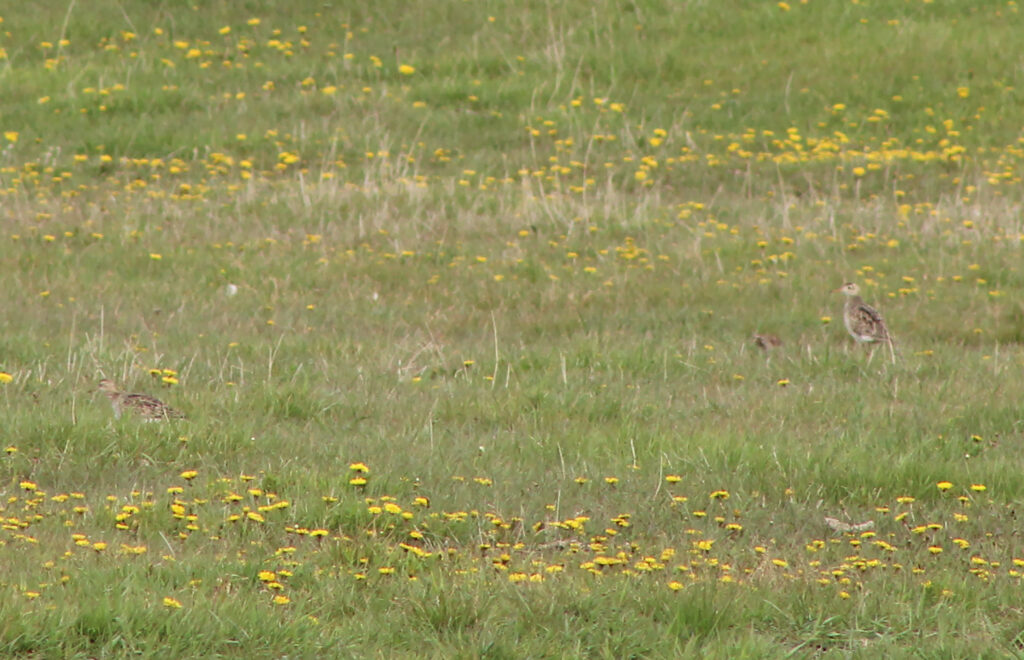
My second encounter could not be more different. I was birding from a back country road, just about to pull out from a stop sign when a pair of Upland Sandpipers flew across the road in front of me. Thankfully, no cars were behind me, so I slowly pulled forward until one of the birds was just out my car window, and I was able to get this shot. Portage Co., WI. May 2025. Finally getting a quality shot of an elusive bird is a very rewarding experience. Much of bird photography comes down to being in the right place at the right time and sorting through hundreds of almost-right photos.
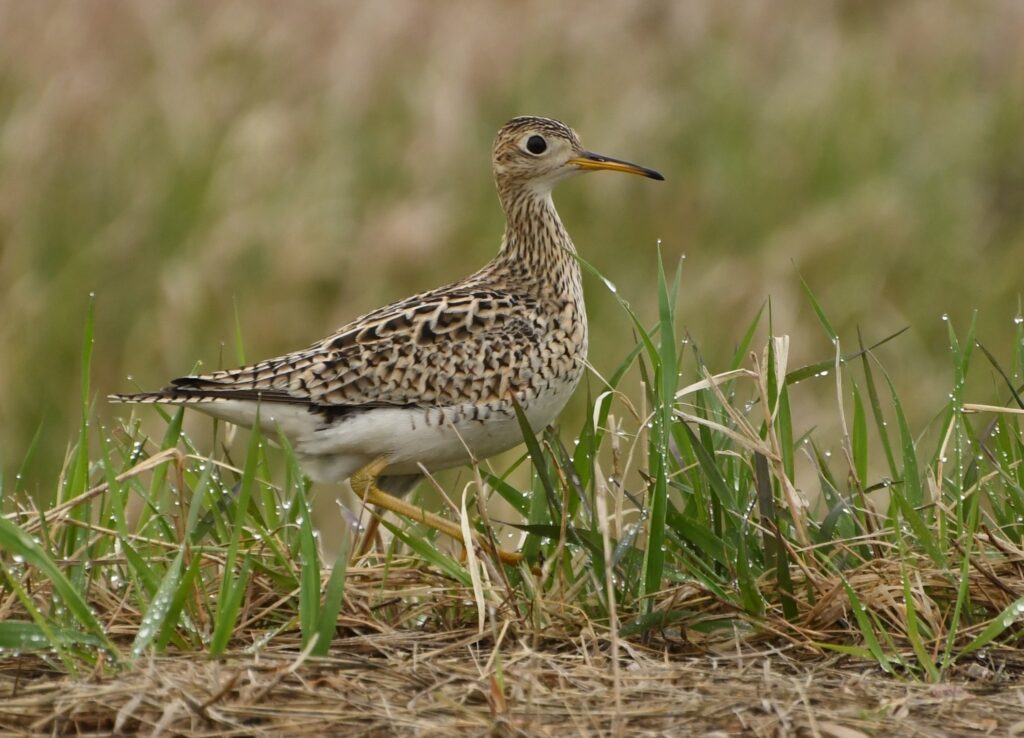
Finally getting a quality shot of an elusive bird is a very rewarding experience. Much of bird photography comes down to being in the right place at the right time and sorting through hundreds of almost-right photos.
Ethical Wildlife Photography
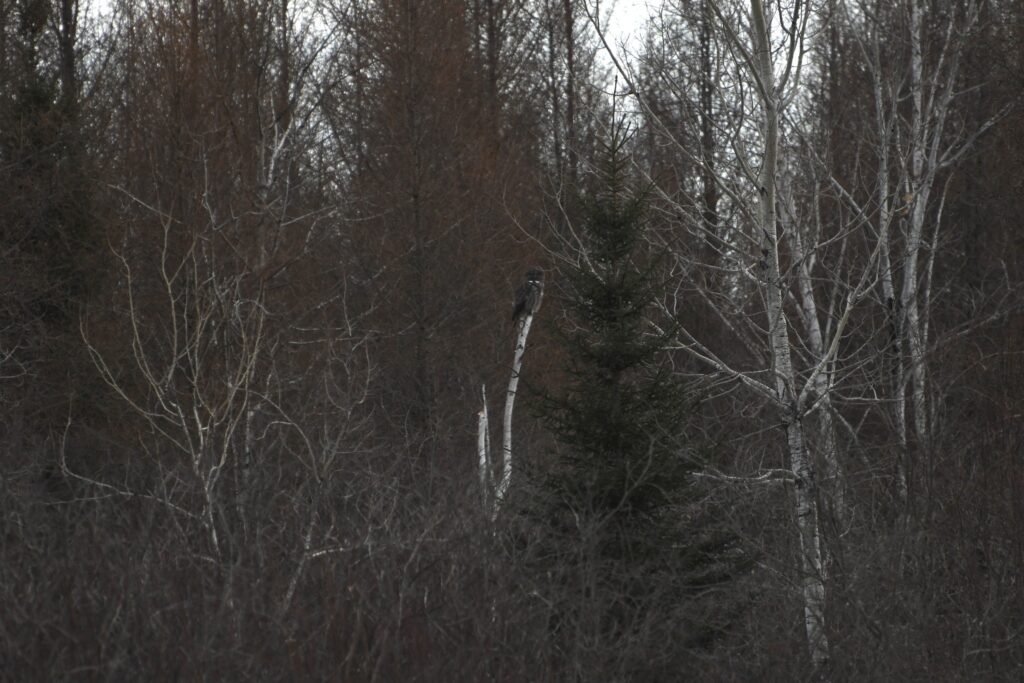
Just as portrait photographers respect their human subjects, we must show the same respect to wildlife. Birds live stressful lives, expending their limited supply of energy to find food and flee potential predators. Our presence as photographers should not put birds into unnecessarily stressful situations. Approaching birds, their nests, or their roosts, can be dangerous for those animals. One harmful practice that is often behind stunning close-up shots of owls pouncing towards the camera, is baiting. Owl baiting can draw the birds into dangerous situations with vehicles or causes them to expend energy for no reward. For the health of the birds, it’s better to use a long lens and wait for the right shot.
No photo is worth disrupting natural behaviors or trampling ecosystems. Travel on established trails, leave minimal trace of your presence, and respect the guidelines of the places you are visiting. The best photography practices decrease impact while preserving the health and beauty of the birds and landscapes we all enjoy.
Final Thoughts
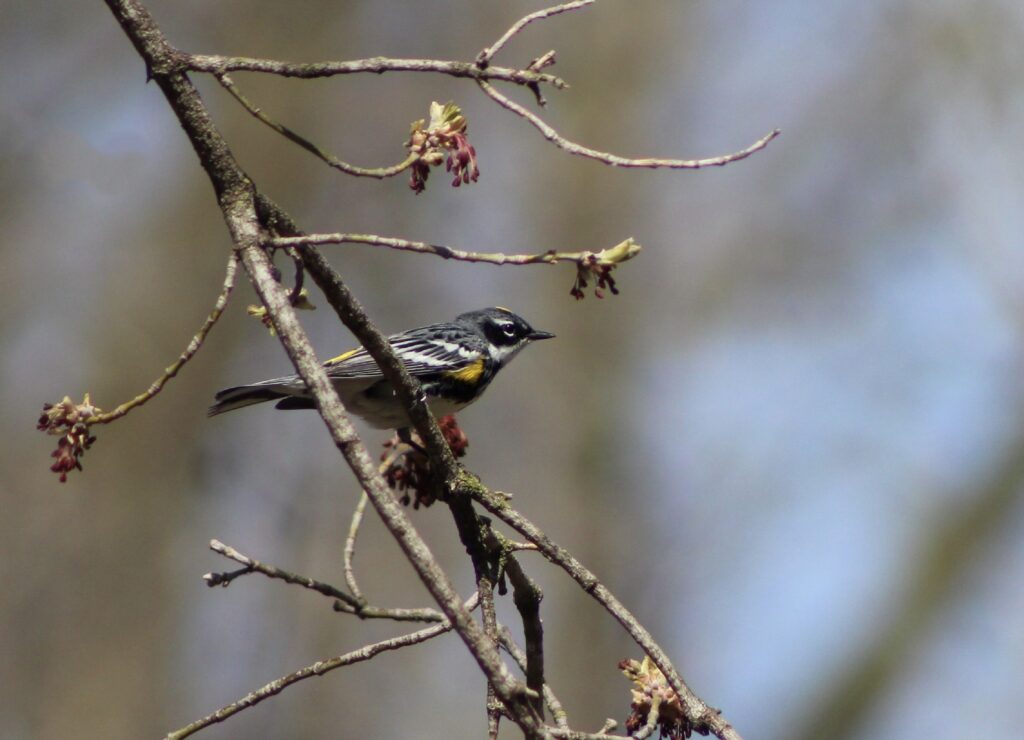
I’ve been birdwatching for over six years. In that time, I’ve seen 466 species of birds and photographed over 345 of them. I have learned so much during my journey, and I’ve gotten to witness and photograph incredible natural wonders, stunning species, and visit amazing locations. Birdwatching is a hobby for everyone, and taking up bird photography can be a rewarding pastime.