

Amber Mande | Visitor Services Manager
When spring hits at The Nature Place, we are always itching to start prepping our seeds and garden beds. This year, we have the added advantage of our new greenhouse! This new addition allows us the opportunity to extend our growing season from March to November for both our native and produce plants. YES, EVEN IN WISCONSIN! At The Nature Place, we have already started the germination process for our cold-tolerant produce seeds.
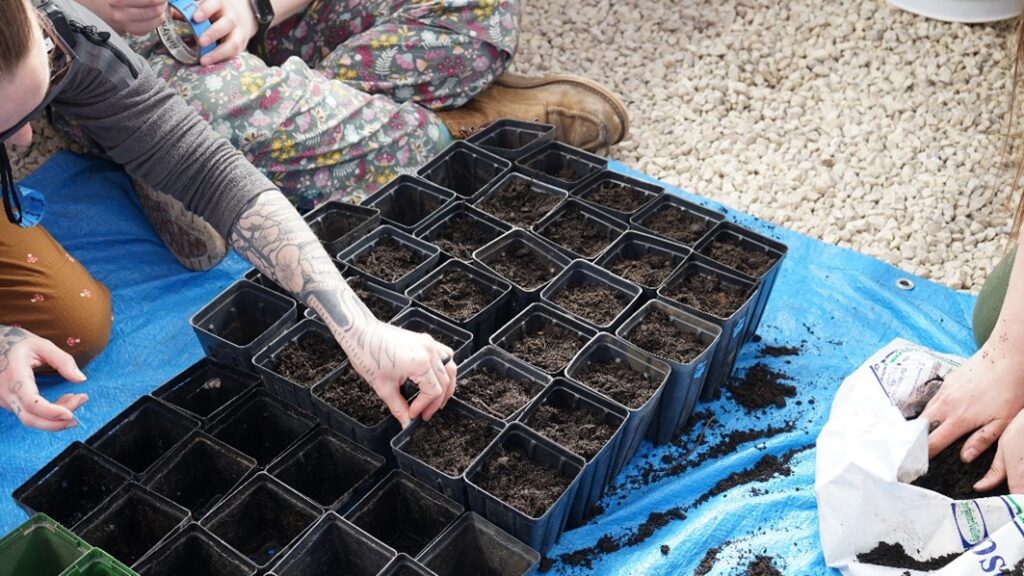
When planting for an extended growing season where the potential of frost is still high, it’s important to know what plants are more cold-tolerant and what plants thrive in the heat of summer. Warm-season produce often requires daytime temperatures above 70 degrees and nighttime temperatures above 55 degrees in order to thrive. Because of this, we will not be starting warm-season produce seeds in the greenhouse, such as tomatoes or peppers, until the risk of frost has passed, usually in May. However, we do start our warm-season seeds indoors about 6 weeks prior to the last frost.
Even when starting cold-tolerant plants, you will still need to consider what type of “protection” you will use to insulate those plants during frosty nights. At The Nature Place, our greenhouse will act as our “protection” during the colder months by retaining and somewhat stabilizing the heat inside. If you do not have a greenhouse, some other options are to use cold frames, frost cloth, burlap, or mulch to help insulate your cold-weather plants. These options can also be used in conjunction with a greenhouse, as needed.
What are we planning to grow this year at The Nature Place?
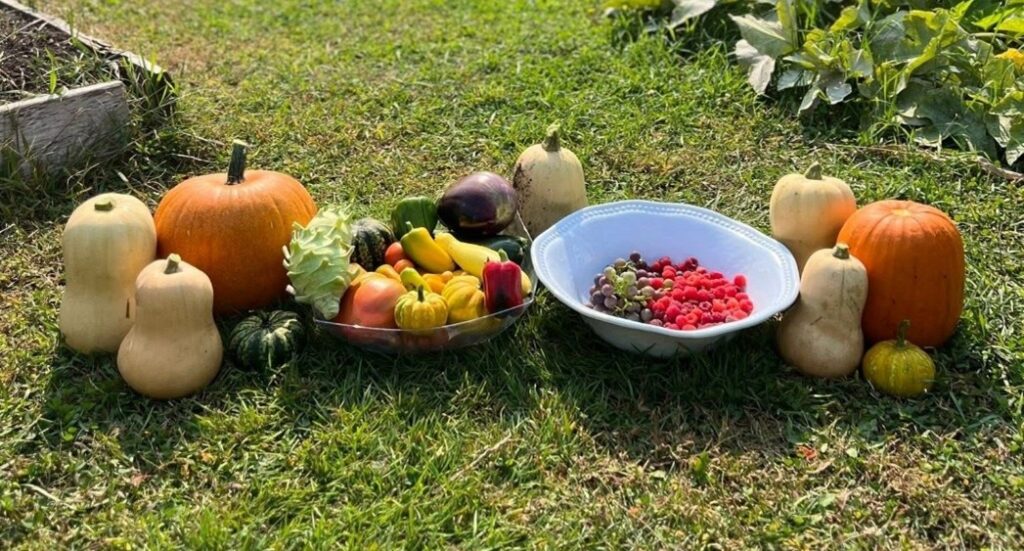
Cold-tolerant produce: lettuce, spinach, peas, kale, greens, broccoli, cauliflower, brussels sprouts, carrots, radishes, onions, cilantro, garlic
Warm-season produce: tomatoes, peppers, zucchini, squash, melons, beans, corn, many herbs, potatoes, ground cherries, eggplant

So, how do we make space for cool-weather and warm-weather produce when the times overlap? Succession planting is a great way to make sure that you have harvestable produce all season long. This involves having smaller harvests of a variety of plants throughout the year, rather than a large, overwhelming harvest all at once. One of the ways that you can do this is by using the staggered planting method, which involves planting a portion of crops every 2-3 weeks so that they reach maturity at varying times. You can also try crop rotation, which means replacing crops that have already been harvested, with a whole new plant. At The Nature Place, we plan to try both of these methods, and we will aim to start another round of cold-tolerant plants in August to ensure that we have harvestable produce throughout Fall.
As planning continues, there may be opportunities for the public to purchase plants from us – both native and produce plants. Stay tuned as we dive into this new endeavor with our greenhouse! We couldn’t have made the greenhouse happen without the support of our donors and community partners, many of whom contributed their time and services to making this happen.
We would like to say THANK YOU to:
James E. Dutton Foundation for donating the funding to support this project.
Brothers Lawn Care for donating their time and equipment to lay the foundation for the greenhouse.
The Community Builders for donating their time and efforts to the construction of the greenhouse itself.
Northwoods Refuse for donating their services to haul away the excavated soil.
Farm & Fleet of La Crosse for discounted tools and equipment needed to maintain our gardens & grounds.